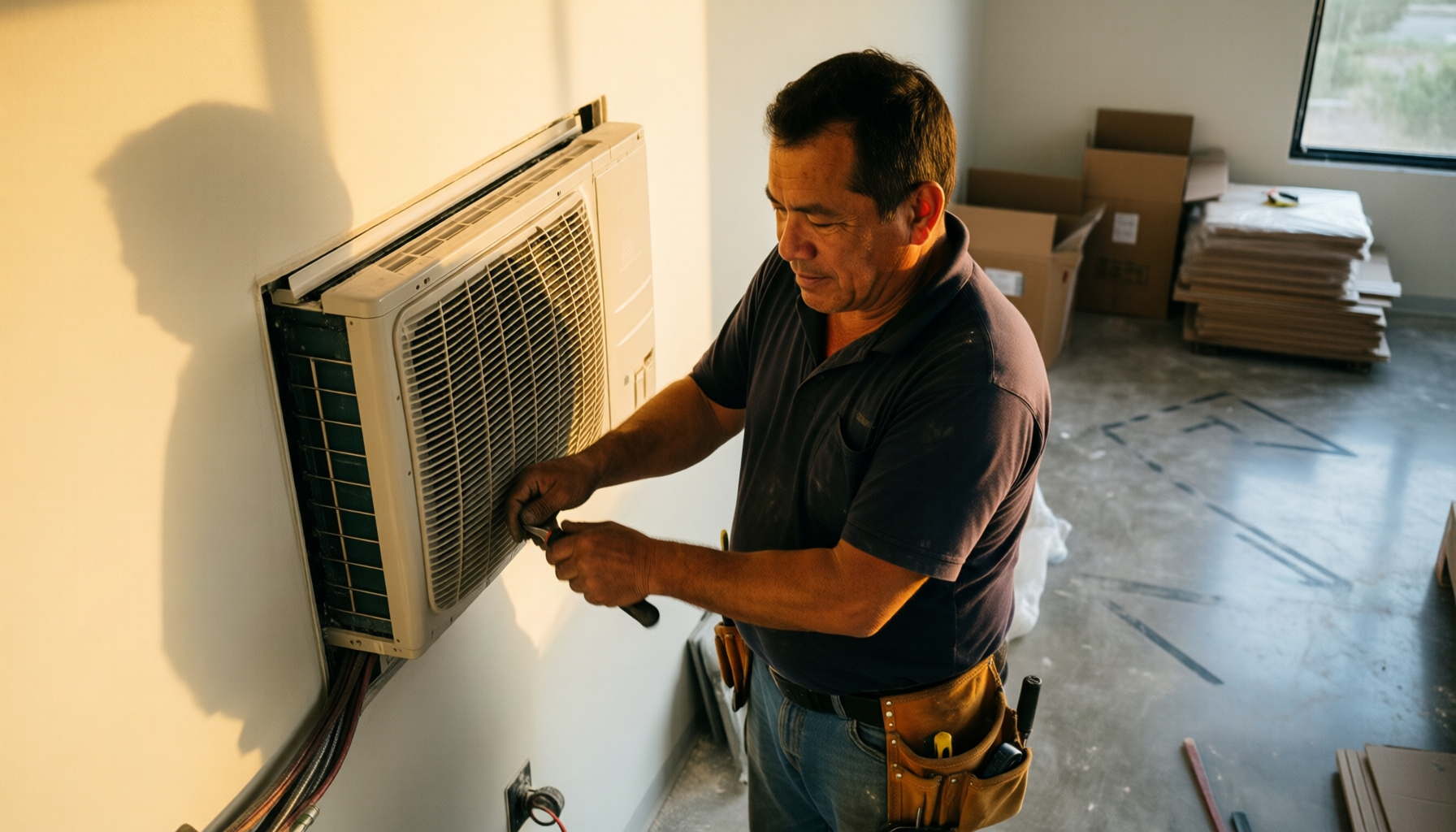
AC Refrigerant Leaks in Miami: 8 Warning Signs to Watch For
Published: 2026-06-19 · By CoolMore AC Repairs
As a Miami homeowner, you're likely all too familiar with the toll the humid climate takes on your air conditioning unit. Tropical storms and salt air are not just nuisances; they can be the harbingers of costly repairs. One of the more common issues is refrigerant leaks, which can lead to inefficient cooling and an uncomfortable living space. Recognizing the early signs of a refrigerant leak can save you from enduring sweltering days in your own home. Keep reading to discover key warning signs that signal your AC might be in trouble.
Why This Matters for Miami Homeowners
Refrigerant leaks are a widespread concern in Miami, especially given the unique challenges posed by the coastal environment. Salt air can corrode metal components over time, compromising the integrity of your air conditioning system. This situation can escalate quickly: losing refrigerant not only affects the cooling efficiency, it can also lead to increased electricity bills and further damage to your system.
Additionally, the high humidity levels in Miami create ideal conditions for potential refrigerant leaks. If your AC isn’t cooling effectively, it might be struggling to maintain the appropriate level of refrigerant, leading to a vicious cycle of inefficiency. Homeowners often overlook this, thinking that simply adjusting the thermostat will solve the issue.
Finally, local building factors such as elevated homes and moisture barriers play a significant role in the longevity of your AC unit and its components. Damage due to environmental stressors is a local reality that all Miami homeowners must contend with.
Expert Solutions & Actionable Tips
1. Unfamiliar Sounds
If your air conditioning unit is emitting hissing or bubbling sounds, this could indicate a refrigerant leak. Hissing may suggest that refrigerant is escaping, which means your AC is not only working harder but risking further damage.
Ignoring these sounds can lead to extensive repairs if left unchecked. Start prioritizing a professional diagnosis as soon as you hear unusual noises from your system.
2. Inconsistent Cooling
Have you noticed hot spots in your home even when the AC is running? This inconsistency can be a clear sign of refrigerant issues. If specific rooms remain warmer than others, it’s worth investigating whether low refrigerant levels are to blame.
In Miami’s heat, timely repair is crucial. High humidity can exacerbate discomfort, making early detection essential for your comfort.
3. Ice Formation
Finding ice on your AC coils is a significant warning sign. This may indicate low refrigerant levels, causing the coils to freeze up. When ice forms, it restricts airflow, further prompting cooling issues.
In Miami’s tropical climate, ice formation can be especially problematic, leading to an onslaught of moisture that could damage your unit. It’s vital to address this concern immediately.
4. Increased Energy Bills
Have your energy bills spiked unexpectedly? This often happens when an AC unit is forced to work harder due to leaks, leading to inefficient cooling and higher energy consumption.
Understanding your energy use can allow you to spot these trends. It’s possible to save on monthly bills with timely repairs, especially in a city as hot and humid as Miami.
5. Continuous Running
When your AC runs constantly without reaching the desired temperature, it is a cry for help. Extended operation can lead to system fatigue and eventual failure.
In Miami, giving attention to this issue can prevent future big expenses and maintain your home’s comfort. Don’t wait until the system malfunctions completely!
6. Foul Odors
Notice a strange smell coming from your air conditioning unit? This is a sign that something is amiss, possibly linked to refrigerants leaking or damaging internal components. Foul odors should never be ignored.
With Miami’s humidity, the risk of mold and mildew can increase when refrigerants leak. Professional inspection is crucial to prevent further degradation of your system and indoor air quality.
Miami Climate & Local Context
Along with the high temperatures, Miami's humidity can wreak havoc on HVAC systems. Elevated homes designed to withstand flooding also face unique challenges, particularly when combined with moisture barriers meant to protect against the elements. Salt air accelerates rusting and corrosion in metal fixtures, further complicating AC maintenance.
Local building codes often require HVAC systems to be not just efficient but also resilient to the tropics' environmental conditions. Consequently, when considering air conditioning repairs or installations, homeowners must choose materials and units rated to endure Miami’s climate, ensuring a reliable and long-lasting solution.
When to Call a Professional
While some minor AC issues can be addressed by industrious homeowners, others necessitate the expertise of a qualified technician. Understanding when to DIY versus call a pro is essential for safeguarding both your system and your comfort.
- Unfamiliar or persistent noises from your AC.
- Significant temperature inconsistencies throughout your home.
- Severe ice buildup on coils.
- Continuous operation without reaching set temperatures.
- Foul odors indicating potential chemical leaks.
- Unexpectedly high energy costs that don't correlate with usage.
If you encounter any of these red flags, it’s advisable to reach out to a professional immediately. DIY fixes may cause more harm than good, particularly in Miami’s challenging climate.
Frequently Asked Questions
What should I do if I suspect a refrigerant leak?
If you suspect a refrigerant leak, it’s essential to contact a professional technician promptly to diagnose and resolve the issue effectively, ensuring comfort in your home.
How can I prevent refrigerant leaks in my AC?
Regular maintenance checks are key for preventing refrigerant leaks. Schedule an annual inspection with a Miami-based technician to ensure your system remains in optimal condition.
Are there any signs that my AC refrigerant is low?
Yes, common signs include inconsistent cooling, ice formation on the coils, and unusual sounds from the unit. If you notice these symptoms, it's time to take action.
How much does it cost to repair a refrigerant leak?
Repairing a refrigerant leak typically costs between $200 to $800, depending on the severity and the accessibility of the leak in Miami's challenging environment.
Is it worth repairing my older AC unit?
Consider the age and efficiency of your AC unit. If major repairs are needed frequently, investing in a new system may be more cost-effective in the long run, especially in Miami’s heat.
Get Expert Air Conditioning Repair Service in Miami
Don’t let AC refrigerant leaks spoil your comfort and safety this Miami season. Reach out to CoolMore AC Repairs for expert solutions tailored to your needs. With experienced professionals ready to assist, you can get back to enjoying the cool breeze of your home.
Call (954) 674-8841 today to schedule your inspection and keep your AC in top shape for Miami’s demanding climate.